

Feature
The plateau keeps a little Norway in the cupboard
On the Scandinavian farmers who settled this hill, and the food, the lodges, and the last names they left behind
Read the old headstones in the cemeteries up here, or just the mailboxes on a rural road, and after a while you notice something. A lot of the names came from a long way north. Olson, Hanson, Iverson, Pederson, the sons and the sens stacking up, the double vowels, the spellings you have to slow down for. There is a reason for that. A good share of the people who first turned this plateau into farms came from Scandinavia, and the plateau has quietly kept a little of the old country ever since.
It makes sense the moment you stand still and look around. In the late eighteen hundreds, when this hill was being cleared and settled, the whole Pacific Northwest was actively courting immigrants from Norway and Sweden and Denmark and Finland, and a lot of them said yes. When a Norwegian farmer stepped off at the end of a very long journey and looked at this place, the deep evergreen, the cold rivers coming down off the mountains, the gray patient winters, the wet green farmland, he did not see somewhere foreign. He saw a version of home with better dirt and a mountain standing where the fjord should be. Word traveled back across the ocean the way it always does, one letter at a time, cousin telling cousin, and they kept coming, and they farmed.
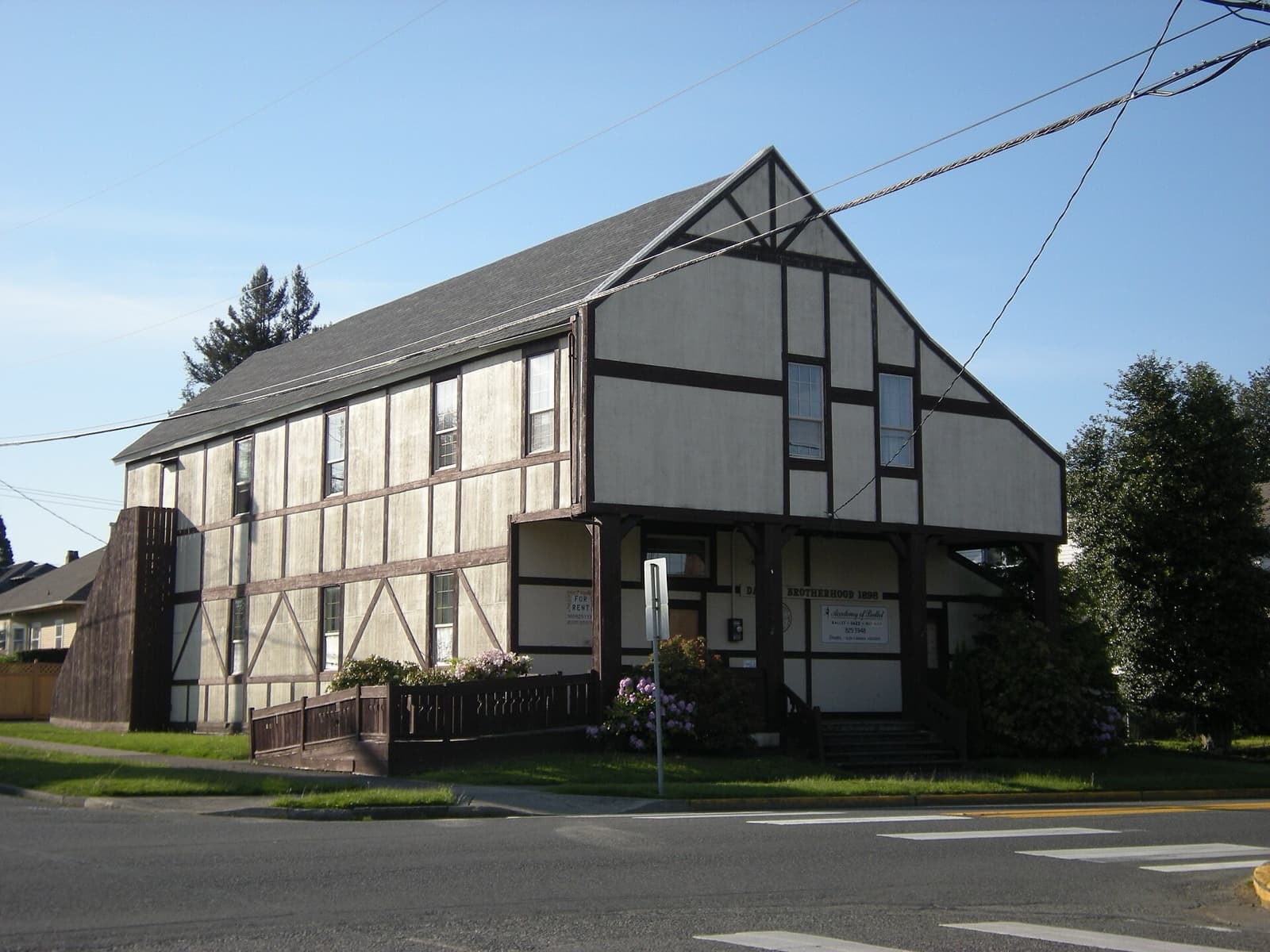
What they brought, besides an appetite for the kind of hard work this climate was happy to punish, was a whole culture. The Scandinavians who settled towns like this one tended to build two things early, a church and a lodge, and the lodge was where the old country stayed alive. Sons of Norway halls, Scandinavian clubs, the entire apparatus of a people determined not to forget where they came from even as their children turned thoroughly, unmistakably American. That instinct never fully left the plateau. There is still a Nordic streak up here if you know how to look for it, in the heritage halls and the family reunions and the surprising number of people who will, if you get them going, tell you the exact valley their people left.
And then there is the food, which is how heritage usually survives the longest, because heritage is delicious and stubborn. Somewhere on this plateau, every December, somebody is making lefse, the thin soft potato flatbread you roll up with butter and sugar, working it flat with a grooved pin their grandmother owned. Somebody else is bravely, defiantly serving lutefisk, the cod cured in lye that even the people who eat it will admit is less a dish than a dare. The krumkake irons come out. Recipes written in a language the great-grandkids cannot read get followed anyway, by feel and by memory. You do not have to be Scandinavian to end up at a table like that around here. You just have to be invited by somebody who is, and to know enough to say yes.
I love that a farm town at the foot of a volcano in Washington State quietly runs on a little bit of Norway, and that most of the people keeping it going barely think of it as remarkable. That is how the deepest kind of heritage works. It does not announce itself. It is not a costume anybody puts on for a festival. It is just the spellings on the mailboxes, the flatbread at Christmas, the hall that has stood longer than anyone can quite remember, the particular way one family says one name. The old country did not stay behind when these people crossed the ocean. It came with them, packed small, and they planted it up here on the hill next to the potatoes, and it grew.
So the next time you are reading names off a sign at the cemetery, or somebody hands you a plate of something soft and buttery and faintly foreign at a holiday table, slow down and notice it. You are looking at the long reach of a decision somebody made, generations back, in a cold country on the other side of the world, to get on a boat and go find a hill that looked like home. They found this one. They are still here, in the cupboards and the phone book, more of them than you would ever guess.
Consider it.
This story first appeared in Beyond Enumclaw, the free Substack newsletter from Enumclaw.com. Subscribe to get new stories in your inbox.
Story label: Original Story or Guide
Originally published: