

Did You Know
The Volcano That Made Rainier Feel Real
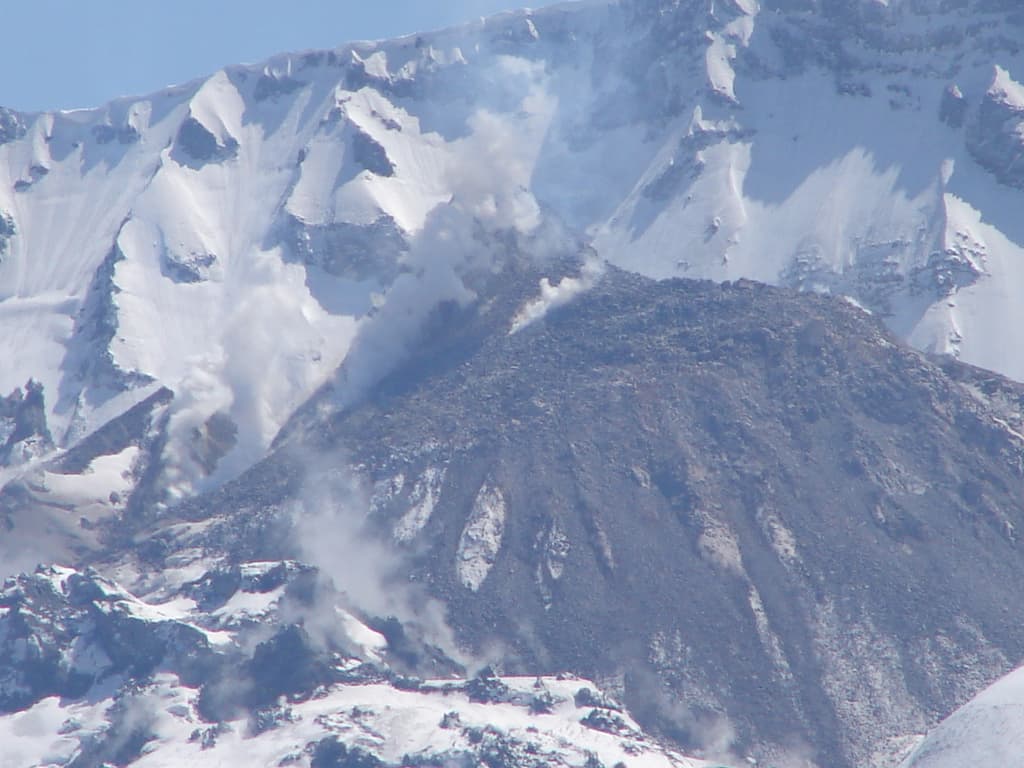
Mount St. Helens’ 1980 eruption turned Cascade volcano hazards from a distant abstraction into something every Pacific Northwest community takes seriously.
ENUMCLAW, WA—Mount Rainier sits at the edge of Enumclaw’s sky on clear days, close enough to feel familiar and large enough to feel permanent. ’ Mount St. Helens, 150 miles to the south, is the reason that filing system gets corrected.
On May 18, 1980, at 8:32 in the morning, St. S. history.
The explosive eruption carried a volcanic explosivity index of 5, and it was the first major eruption in the contiguous United States since Lassen Peak stirred briefly in 1915. Before that Sunday morning, Cascade volcano hazards were largely a geological abstraction for most Pacific Northwest residents.

After it, they were not. St.
Helens is part of the same Cascade Volcanic Arc that includes Rainier, Adams, and a dozen other peaks familiar to anyone who has driven Highway 410 east of town. The arc runs along the Pacific Ring of Fire, where the Juan de Fuca Plate slides beneath the North American Plate and feeds the magma chambers that keep these mountains in the business of being volcanoes.

What St. Helens demonstrated in 1980 was simply that the business is ongoing.
The eruption reshaped not just the mountain itself but the way scientists, planners, and ordinary Washingtonians think about the forests and communities built in the shadows of these peaks. The blast leveled old-growth timber across a vast area, buried river valleys in ash and debris, and set off decades of research into volcanic hazard mapping, lahar pathways, and forest recovery.
Much of what the Pacific Northwest now understands about how these landscapes heal, and how they fail, comes directly from watching St. Helens work through it.

For Enumclaw, the practical relevance is Rainier’s lahar risk, which scientists have studied carefully in part because St. Helens gave them a real-world model to work from.
The White River and Carbon River valleys, both close to town, sit within zones that emergency planners take seriously. The volcano on the horizon isn’t theoretical.

St. Helens made sure of that.
None of this is meant to suggest that Rainier is about to do anything. Volcanoes operate on schedules that make human impatience look quaint.
But St. Helens earned its place as Washington’s most instructive mountain not by being the tallest or the most photographed, but by being the one that reminded everyone else what these peaks actually are.
Story label: Original Story or Guide
Originally published: