

Feature
There used to be a town here
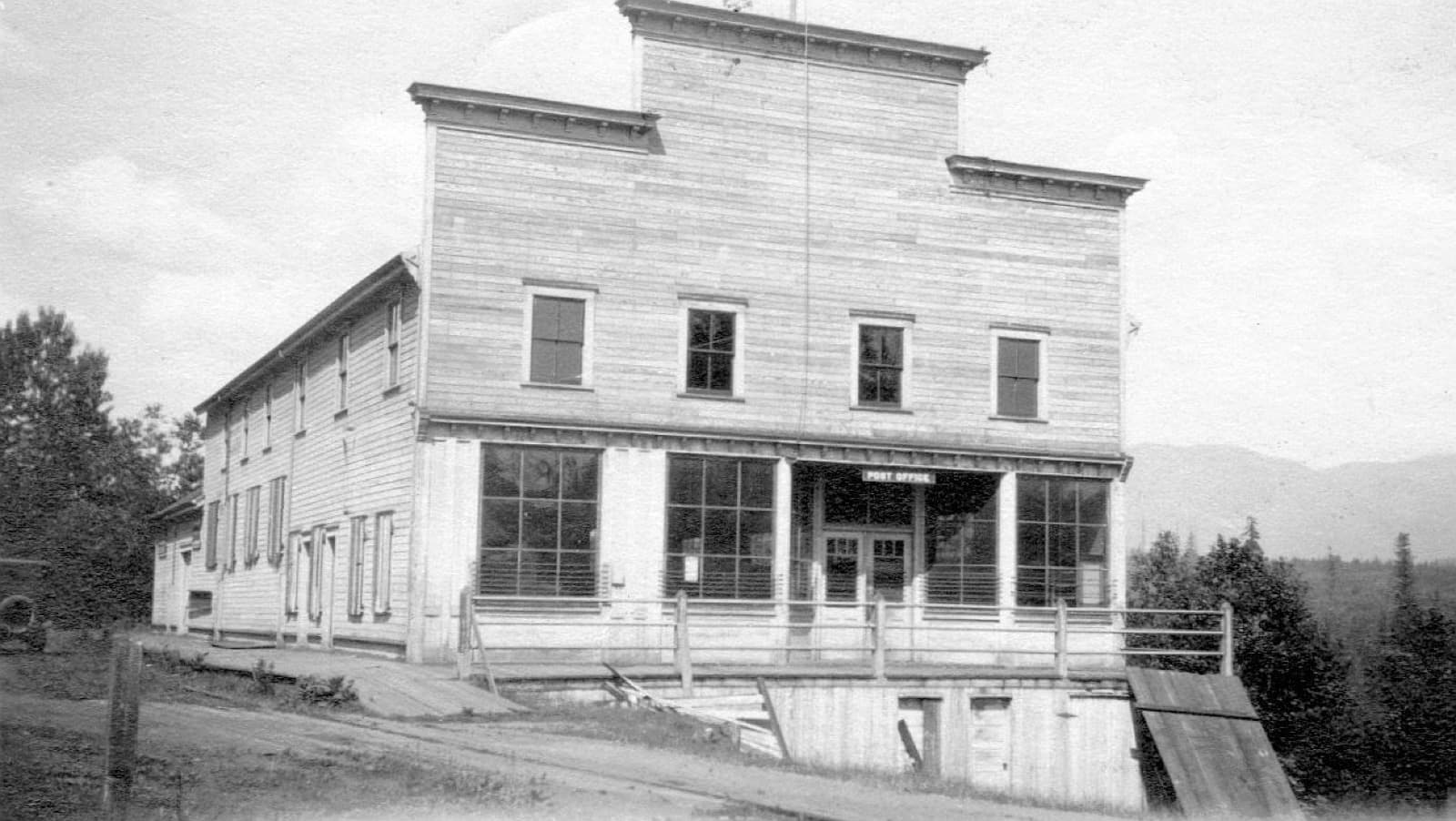
Franklin was a coal town of more than a thousand people, a few miles from here. Now it's a cemetery and some holes in the ground
The woods closed over it like water over a stone
It’s called Franklin, and once it was real. Not a landmark, not a name on an old map. A real town, with more than a thousand people in it, back around the turn of the last century. It had a company store and saloons and a school and a hotel. It had families, shifts, paydays, a baseball team probably, all the ordinary machinery of a place where people live. It ran on coal. This whole stretch of the gorge did, a string of coal towns feeding the furnaces and railroads of a young Seattle, and Franklin was one of the biggest of them.
Now it’s a cemetery and some holes in the ground.
You can hike to it. The forest has taken almost everything back, the way this forest does, patient and green and total. The buildings are gone. What’s left is foundations if you know where to look, the dark mouths of old mine openings fenced off for good reason, a rusting piece of machinery, and up on a hill, the graveyard, which is the part that stays with you. Because the graveyard is how you learn what happened here.
On a night in 1894, a fire started down in the Franklin mine. Thirty-seven men died in it. Some of them are up in that cemetery, and their stones are the reason a lot of people make the walk. It was one of the worst mine disasters this state has ever had, and the ugly part, the part that turns it from a tragedy into a story people still argue about, is that most who have looked into it believe the fire was set. On purpose. In the middle of a bitter fight between the miners and the company, in an era when those fights got settled in ways that would horrify us now, someone appears to have lit a fire in a mine full of men.
I’m not going to pretend to solve it for you. The record is old and tangled and the people who knew are long gone. But stand in that cemetery, on that quiet hill, in a forest where a town used to be, and read the same year on stone after stone, and you feel the weight of it without needing the details filled in.
Franklin didn’t die all at once, though. Towns rarely do. The coal ran thinner, the market shifted, the company moved on to the next seam, and the people followed the work the way people always have to. The houses emptied. The store closed. The forest, which had been held back for forty years by the daily effort of more than a thousand people, noticed the effort had stopped, and came back in. Within a generation the town was mostly gone. Within two it was a story.
Here’s what Franklin does to you, if you let it. We talked a while back about how young the town up here is, how new all of this is. Franklin is the other half of that lesson. A town is not permanent. A town is a thing people make and keep making, every single day, by showing up and running the store and teaching the school, and the moment they stop, the moment the reason to be there goes away, the forest is right there waiting, and it is very patient, and it does not need much of an invitation.
Our town is still here because the reasons are still here. The farms, the mountain, the road, the people who decided to stay. Franklin’s reasons ran out, and the woods closed over it like water over a stone.
So go walk through it sometime, the town that isn’t there. Stand in the cemetery. Read the year. Then drive home up onto the plateau, to your town that is still, for now, a going concern, and be a little more glad than usual that the lights are on and the store is open and the school still lets out at three. None of that is guaranteed. Franklin could have told you that, if there were anyone left in Franklin to tell you anything.
There used to be a town here. Remember it.
Consider it.
This story first appeared in Beyond Enumclaw, the free Substack newsletter from Enumclaw.com. Subscribe to get new stories in your inbox.
Story label: Original Story or Guide
Originally published: