

Feature
Black bears in Washington before they den, and what to do
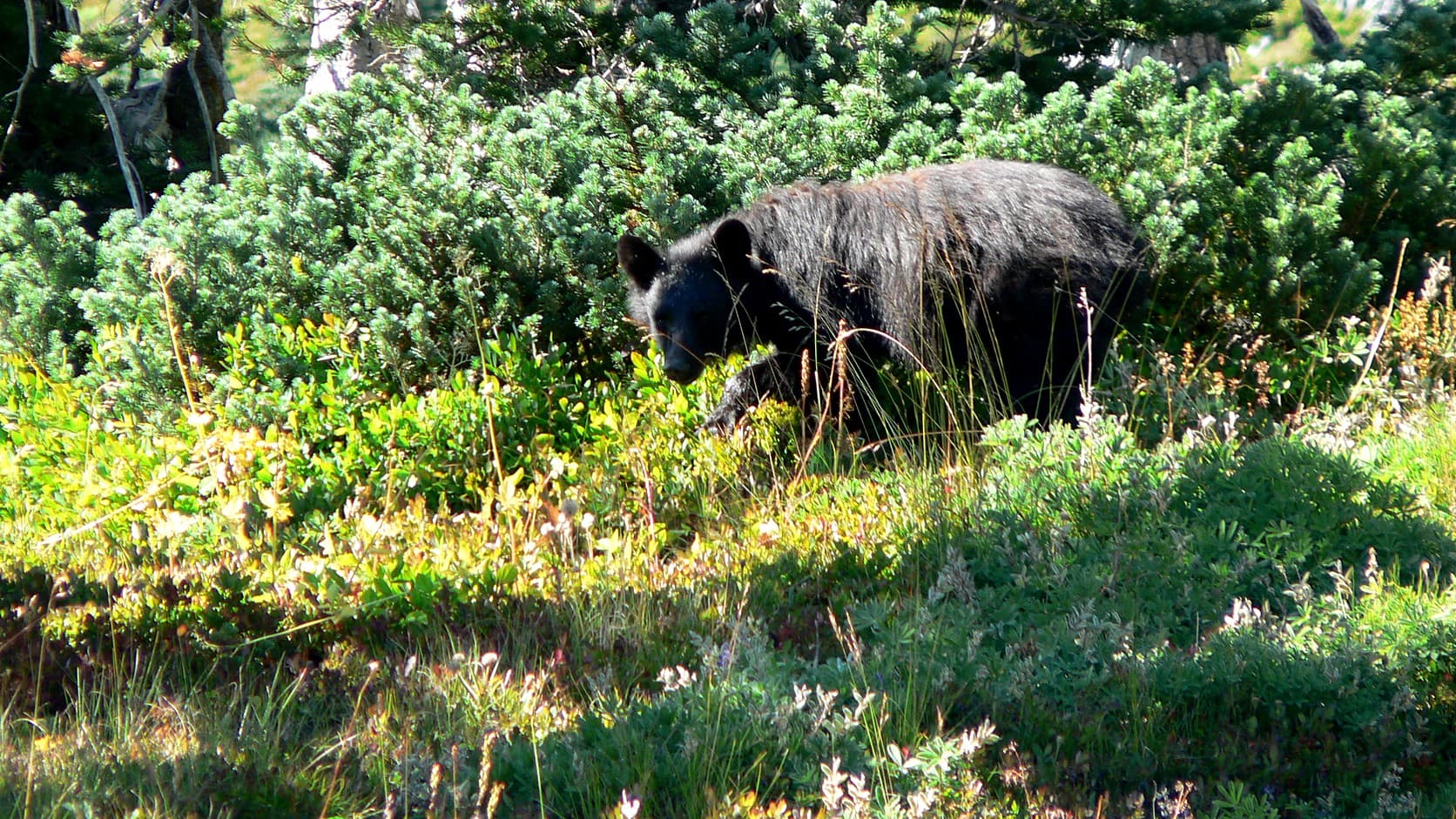
Black bears in Washington: WDFW gives no denning date, says food from people can delay it, and lists what to do if a bear walks toward you.
Black bears live in nearly every forested corner of Washington, including the Cascade foothills and Mount Rainier country around Enumclaw. The Washington Department of Fish and Wildlife (WDFW) leaves out only the interior of the Columbia Basin and estimates about 22,000 bears statewide. As of October 2026, WDFW says all black bears hibernate in some form but publishes no date by which they have denned, and its fall advice is to remove what draws them to homes: garbage, bird feeders, fruit trees, barbecue grills and pet food. If a bear walks toward you, WDFW says to stand up, wave your hands above your head, talk in a low voice and back away without running.
The most useful thing WDFW says about denning is a condition, not a date. In its Be Bear Aware flyer, the agency writes that where people provide constant and predictable food, "denning may be delayed or intermittent during winter." By WDFW's account, a household's trash can and bird feeder are part of the question of when a nearby bear goes to sleep.
Where do black bears live in Washington?
Almost everywhere with trees. WDFW's black bear page says they are common throughout the state except the interior of the Columbia Basin, including suburban areas where greenbelts, strips of undeveloped land, give them room to move. The 22,000 figure includes cubs. It is an estimate that has moved: in February 2022 answers to the Fish and Wildlife Commission, WDFW gave about 20,000 and called it an extrapolation with no confidence intervals. Neither is a count.
The name misleads. WDFW says black bears may be black, brown, blond, cinnamon or rust, and average 100 to 300 pounds in Washington. Near Enumclaw the species question is short: WDFW says grizzly populations are limited to Northeast Washington, and Mount Rainier National Park says it has none, so near Enumclaw and on the mountain the bear you are likely to meet is a black bear, whatever its coat.
Are there black bears near Enumclaw?
On the mountain, the Park Service says yes: its wildlife safety page says black bears are in every part of the park "even on trails."
The sharpest local detail comes from WDFW's 2026 black bear density monitoring report, which describes a capture-recapture study from 2013 to 2016 in two North Cascades areas, within game management units 245, 454 and 460. This site's guide to hunting season near Enumclaw places unit 454 north of State Routes 410 and 164 through town. The study found fewer bears where there was more human development, an average of 20.1 per 100 square kilometers (about 39 square miles) in the western North Cascades, and WDFW says western averages came out nearly 50 percent lower than managers had expected. The study areas were not Enumclaw, and the report is not a count of local bears.
Do black bears hibernate in Washington, and when do they den?
They do, and WDFW does not say when. Its flyer says "All black bears hibernate in some form," and that in the fall, and again after waking in spring, bears look for high-calorie, easy-to-find food. No WDFW page opened for this guide gives a date by which bears have denned, so none is given here.
Emergence is better documented. In its February 2022 answers, WDFW reported average emergence in its research of March 16 for males and March 26 for females in western Washington, and March 26 and April 1 in eastern Washington, with females that have cubs emerging about a week later, on average. The document does not say which years or how many bears they cover, and they say nothing about when any bear dens.
Why do bears come into yards in the fall?
Because natural food runs short at both ends of winter. WDFW's page says bears opportunistically seek food around people when natural foods are scarce, which happens every year in early spring and in late fall as they prepare for hibernation, and more often in some years of drought or a late spring. Its October 25, 2026 statement adds that in the fall bears may be especially drawn to garbage cans, pet and livestock food, bird feeders, orchards and barbecue grills.
The agency puts the blame on people. Its page calls human carelessness the number one reason for conflict, behind 95 percent of calls to its offices, and says over 90 percent of human-bear conflicts come from bears learning to link food with people: "A wild bear can become permanently food-conditioned after only one handout experience." Such bears, it says, will likely die.
The flyer's checklist is short. Keep garbage and recycling locked up until the morning of pickup. Bring in seed and liquid feeders for birds, and clear fruit from backyard trees. Clean the grill after each use and store it secured. Feed pets inside, or remove the bowl after one serving. Keep all food where a bear cannot smell or see it.
What happened near Index on October 25, 2026?
WDFW said in a statement dated October 25, 2026 that its officers received a report at about 7:50 a.m. that day of a black bear incident near an Index residence in Snohomish County. By WDFW's account an adult female was in her backyard with her leashed dog when a bear attacked from behind and knocked her down, then pursued her, biting and clawing, until she got into her residence and called authorities. She was taken to a hospital with what WDFW called serious but non-life-threatening injuries.
The statement says two black bears had been seen nearby: a large adult, and a younger bear that might be a sow, an adult female, with a cub. Officers with dogs tried to find the animal and were unsuccessful, and a trap was set near the scene. That is all this guide reports about the case; WDFW's newsroom is the place for anything later. WDFW's flyer calls bear attacks rare.
What should you do if a black bear walks toward you?
Make yourself known, and leave. WDFW's black bear page and its October 25 statement agree on the steps. If the bear has not noticed you, move away quietly while it is not looking. If it walks toward you, stand up, wave your hands above your head and talk in a low voice; the statement adds backing away without direct eye contact and calls bears "naturally curious animals." If it keeps coming, clap, stomp and yell.
Do not run. WDFW says a bear can reach 35 mph and that running may set off an attack, and that climbing a tree is generally not recommended because black bears climb well. If a bear makes contact, fight back with hands, feet and any object within reach, aiming at the eyes or spraying the face. The Park Service's bear safety page says the same for black bears: do not play dead.
Dogs complicate it. WDFW says a bear will defend itself, its cubs and its food and can harm a person who gets between it and a dog, so keep dogs leashed, and use spray rather than step between them. The state's cougar advice overlaps with this but is not identical; this site's cougar sightings guide sets it out.
Inside Mount Rainier National Park, two distances apply. The park's wildlife page recommends 300 feet from bears and says regulations require at least 50 yards, 150 feet, from any wildlife. It asks visitors to tell a ranger about a bear getting at human food or acting aggressively.
Should you carry bear spray, and how do you use it?
WDFW says most experts recommend carrying it, readily accessible. Its black bear page says a spray with 1.3 to 2 percent capsaicin, the pepper compound, can help stop an aggressive bear when sprayed straight at its face from 6 to 10 meters, 20 to 30 feet. The Park Service says to choose an EPA-approved product made for bears, not one made for people. WDFW says to have it out of the holster with the safety off when a bear walks toward you.
Is it illegal to feed black bears in Washington?
Yes. Intentionally feeding or attracting them is a misdemeanor under RCW 77.15.792, and negligently doing so is an infraction. RCW 77.15.790 bars negligently feeding or trying to feed large wild carnivores, and negligently attracting them to land or a building, and RCW 77.08.010 defines those as wild bear, cougar and wolf. An officer with probable cause that someone is doing so with food, food waste or another substance that risks people, livestock or pets can write an infraction. The statute prints no dollar figure; WDFW's flyer says fines can reach $1,025.
The definition of negligently attracting excludes food kept in a closed garbage receptacle or similar container, unless an officer or animal control authority directs otherwise. Farming, lawful waste facilities, forest practices and hunting are exempt from the infraction, though an officer may give those people a written warning with two days to fix it. A separate state rule bars the public from feeding deer, elk and moose, covered in this site's Oak Creek elk feeding guide.
What should you check before heading out around Enumclaw?
Start with who else is in the woods. WDFW's 2026 to 2027 fall black bear season runs August 1 to November 15 in the unit groups that include 454, 652 and 653, the units the hunting guide places around Enumclaw. That guide covers the orange rule and where hunting is barred. Keep dogs leashed on any trail; the paved Foothills Trail from Enumclaw requires eight feet or less, by that guide.
For the park, the Park Service says to store food, drinks and toiletries in a hard-sided vehicle, a campground food locker or a bear-proof container. If winter plans include Rainier, this site's Mount Rainier winter guide covers the one entrance open by car.
At home, WDFW names early spring as the other season of yard conflicts, so the habits above apply at both ends of winter. Check WDFW's black bear page for guidance and its newsroom for incident statements. With no denning date from WDFW, no calendar day makes a yard safe to leave unsecured.
Story label: Original Story or Guide
Originally published: