

Feature
Hoh Rain Forest in winter, and what stays open
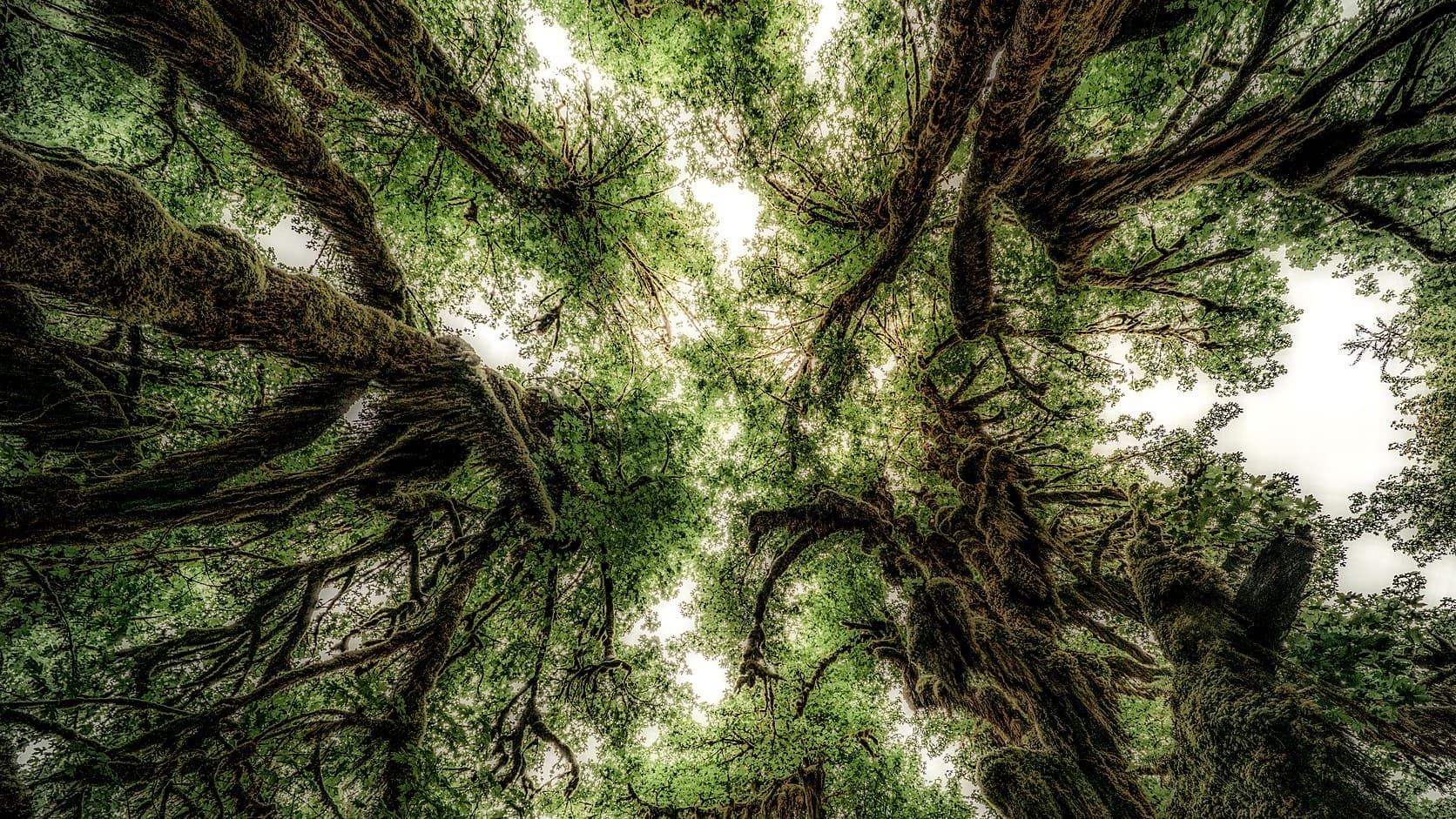
Hoh Rain Forest in winter: trails, road and campground stay open, the visitor center closes January to early March, and a US 101 bridge is down to one lane.
The Hoh Rain Forest is open in winter, with one piece missing: the visitor center. As of October 2026, the National Park Service says the visitor center is closed from January through early March, and generally open Friday through Sunday in spring and fall. The park's winter 2024 release said the trails, road and campground would stay open through that winter, and its camping page says the Hoh campground may close temporarily in severe weather. The park's pages give its size as 72, 78 and 88 sites. Olympic National Park had published no 2026-27 winter schedule when this was written, so treat that as the usual pattern, not a promise. From Enumclaw it is roughly 210 miles and about five hours each way, and the US 101 bridge south of Forks has been down to a single lane since July 14, 2026.
The odd thing is that the park's own pages do not agree on when the center shuts. A November 2024 release said December 1, the Hoh page says January through early March, and the area brochure says January and February. The park's alerts page, updated October 25, 2026, gives only a Friday-to-Sunday schedule through October 31 and is silent after that. So this page gives the pattern and its sources, and the number to call before a five-hour drive: 360-565-3131.
When does the Hoh Rain Forest Visitor Center close for winter?
By the park's Hoh page, the center is open daily in summer and closed from January through early March. In spring and fall it is generally open Fridays to Sundays, with hours that vary. The park's visitor center directory adds that it is "open daily during the summer and intermittently during the winter," and lists 9 a.m. to 4:30 p.m. on Friday, Saturday and Sunday, closed Monday through Thursday.
The one dated winter schedule found for the Hoh is the 2024-25 winter's, in a November 26, 2024 news release, now archived: the release said the center would close on December 1, 2024, and reopen March 1, 2025, from 9 a.m. to 4 p.m. on Fridays, Saturdays and Sundays. That release says 4 p.m. where the directory says 4:30, so hours are one more thing to confirm. For 2026-27, no release was found.
What stays open when the visitor center is closed?
The road, trails and campground, according to the park. The 2024 release said "The area's campground, trails and road will remain open throughout the winter," and the Hoh page calls the campground "open year round." The alerts page, as of October 25, 2026, lists the trails, parking areas and restrooms as open.
What goes dark is the staffed building, with its exhibits, book store and passport stamping station. The directory says there is no food service in the Hoh and the closest gas station is 31 miles away. Fill the tank and pack lunch before the turn onto the Upper Hoh Road, which the park's road status page lists as 18 miles of pavement from US 101.
Is the US 101 bridge near the Hoh closed?
It is open, on one lane, and the repairs run for years. The Washington State Department of Transportation found cracks in a support beam and in steel members under the Hoh River Bridge, which it says was built in 1931. On July 14, 2026 it cut traffic to a single lane with temporary signals and a 25 mph limit. It then closed the bridge completely three times for six days each, starting September 24, plus overnight closures into mid-October. The project page lists July 2026 to September 2028 and says details of the long-term repair will come later.
The bridge sits between the Hoh and Kalaloch, with the Hoh on the north side. The park says no detour exists across the river, and that going around the east side of the peninsula adds at least four hours. A routing engine sends a driver from Enumclaw by Olympia, Aberdeen and US 101 north past Quinault and Kalaloch, which both agencies list south of the bridge, so that route would cross it. WSDOT's detour advice for closures runs along Hood Canal. Check its US 101 Hoh River Bridge project page and the park's bridge closure page before you leave. The last overnight closure ran from 7 p.m. on October 18 to 5:30 a.m. on October 19, by WSDOT's schedule, and all of them had passed when this was written.
How far is the Hoh Rain Forest from Enumclaw?
Roughly 210 miles and a little over five hours one way. That comes from a routing engine built on OpenStreetMap data, which returned 213 miles and 5.1 hours from Enumclaw to the visitor center, with no allowance for traffic, ferries, road work or weather. The park describes the Hoh itself as about two hours from Port Angeles and under an hour from Forks. That is a day trip only for people who like long ones; Forks is the nearer base, and the park's page points to lodging there through the Forks Chamber of Commerce. For a winter outing without the ten hours of driving, see this site's guide to Mount Rainier in winter.
How much does it rain in the Hoh in winter?
The park says the Hoh averages 140 inches of precipitation a year, and that rain falls often through the winter. Its page on temperate rain forests gives a range of 140 to 167 inches for the peninsula's rain forest valleys. The park names no weather station for either figure, so read them as Park Service averages for the valley, not a gauge you can look up. Its winter page calls winter the wet season and tells visitors to expect to get wet. Much of that rain arrives in Pacific storms; this site explains the biggest kind in its atmospheric river guide.
Do you need a pass for the Hoh Rain Forest?
Yes. The park's fee page says "All visitors must have one of these entrance passes," and the Hoh is inside the park. As of October 2026 a private vehicle costs $30, valid for seven consecutive days and covering everyone in it. A visitor 16 or older on foot or a bicycle pays $15, an annual pass for the park is $55, and an America the Beautiful pass covers it too. Children under 16 do not need their own pass.
The Park Service sets these prices, so read the park's fees page before you go. It also lists fee-free days. For 2026, October 27 is one, Theodore Roosevelt's birthday, and November 11 is Veterans Day; the page says admission is free to U.S. citizens and residents on those days, and that other fees may still apply. It lists no 2027 dates. Whether an entrance station is staffed on a winter weekday is not on any page that was read, so carry a pass or buy one at Recreation.gov before the drive.
Which trails are open at the Hoh in winter?
All three of the main ones are listed. The Hall of Mosses Trail is 0.8 mile and loops through old-growth forest and a grove of maples draped in moss. The Spruce Nature Trail is 1.2 miles and runs along Taft Creek and the Hoh River. The Hoh River Trail is an out-and-back that the park says can go as far as you like, with day-hike turnarounds at First River access (0.9 mile one way), Mineral Creek Falls (2.7), Cedar Grove (4.0) and Five Mile Island (5.0). Pets are not allowed on the trails in the Hoh.
The park does not say what a given day will look like, and neither can this page. The park points hikers to its trail conditions page for changes. Overnight trips need a wilderness permit arranged in advance; the park says trailhead permits are not available. Black bears are among the animals the park says visitors commonly see here; this site covers what to do before they den in black bears and denning in Washington. The park's brochure says to stay 50 yards from wildlife and warns that the Hoh River can be extremely dangerous for swimming and boating, and advises against both.
Why are they called Roosevelt elk?
The Park Service says they are "Named for President Theodore Roosevelt." It also says Olympic was first a national monument in 1909 and became a national park in 1938. The Hoh brochure quotes the aim of the 1938 park: to preserve "the finest example of primeval forest…and provide permanent protection for the herds of native Roosevelt elk." Of the park's estimated 3,000 to 4,000 elk, the brochure says 400 to 500 live in the Hoh Valley, and it tells visitors never to approach one.
The brochure adds that the road's first 12 miles, before the park boundary, cross second growth, third growth and pasture, because logging, homesteading and market hunting of elk changed the valley. A longer trip could add the coast: the 2024 release called Kalaloch, Mora and Ozette open year-round, weather permitting. This site's razor clam dig guide covers the beaches, though the state, not the park, sets dig dates.
Before you go
Call the park's recorded road and weather line at 360-565-3131 and read the alerts and conditions page the morning you leave. It carries the visitor center schedule; the park's Current Road Conditions page carries the state of the Upper Hoh Road, and the bridge pages linked above carry bridge news. Then check the WSDOT bridge page linked above. Bring a pass, fuel, food and rain gear. If your date falls in January or February, assume the center will be shut, and check the road and trail conditions before you leave.
Story label: Original Story or Guide
Originally published: