

Feature
Ridgefield National Wildlife Refuge in winter, what is open
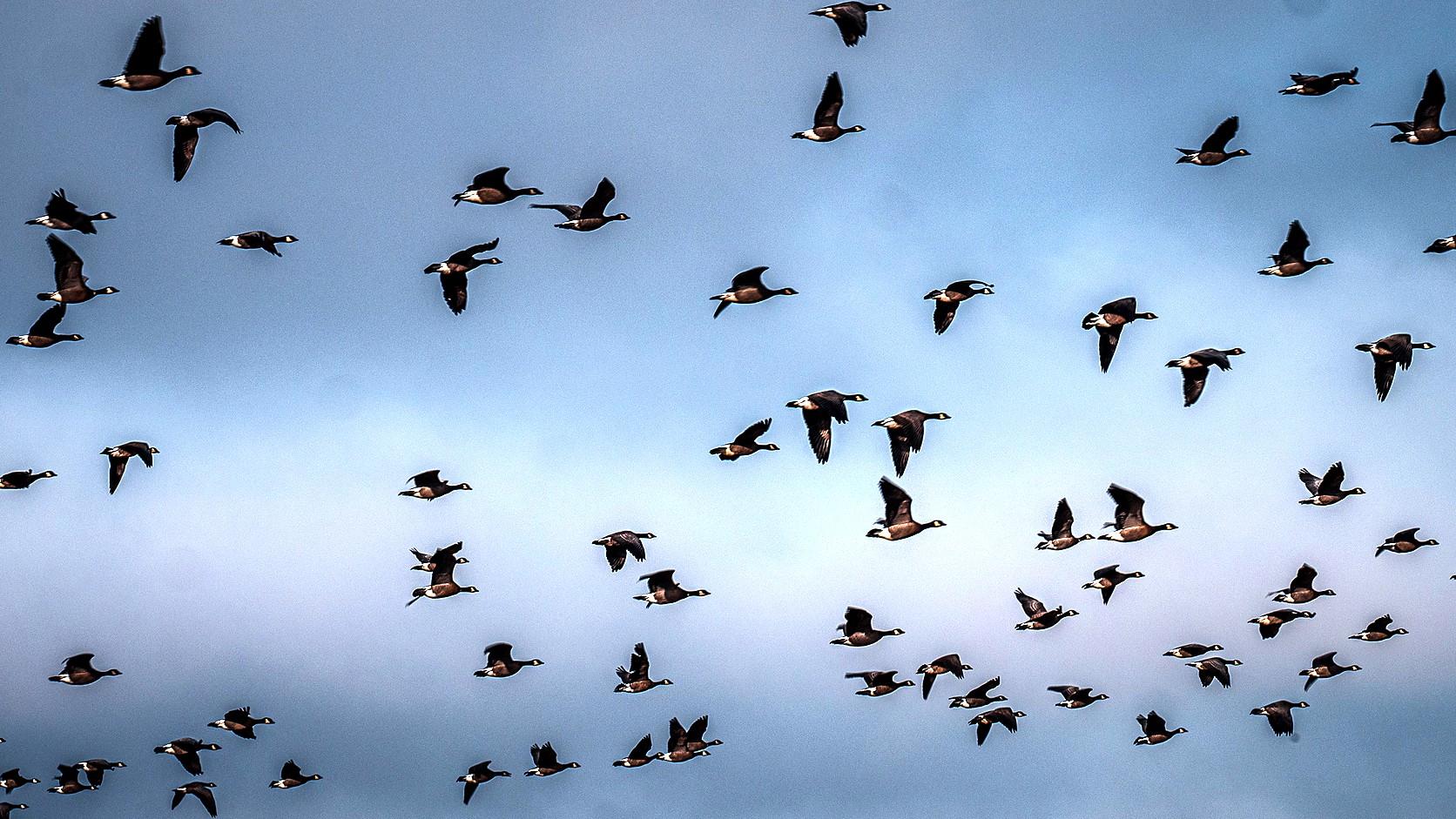
Ridgefield National Wildlife Refuge in winter: the auto tour is vehicle only October 1 to April 30. The $3 fee, open trails, dogs and the hunt dates.
Ridgefield National Wildlife Refuge, in Clark County, Washington, stays open all winter, with one big change from October 1 through April 30: the auto tour road at its River S Unit is for vehicles only, so you watch from the car. As of November 2026 entry is $3 per day or $15 for a refuge annual pass, and either one covers a single private vehicle with everyone in it, or up to four adults walking in. The refuge is about 145 miles from Enumclaw, roughly three hours of driving without traffic, off Interstate 5 at Exit 14.
On the night of November 4, 1805, William Clark wrote that he "could not Sleep for the noise kept by the Swans, Geese, white & black brant, Ducks &c. on a opposit base, & Sand hill Crane, they were emensely numerous and their noise horrid." The National Park Service quotes the journal entry on its page for the refuge, and places the camp near today's Post Office Lake, inside the refuge boundary. The U.S. Fish and Wildlife Service, which runs the place, still says fall migration from September through December brings flocks of ducks, geese, swans and families of sandhill cranes. The refuge's winter rules exist to keep that crowd from being scared off.
Is Ridgefield National Wildlife Refuge open in winter?
It is, but not every part of it. The refuge's own visit page says the auto tour road stays open all year for vehicles, and the two units that take visitors, Carty and River S, have automatic gates programmed from sunrise to sunset. The page's location listings also print "7:00 am to 7:00 pm" beside "Sunrise to Sunset," and in November those two cannot both be true, so treat sunrise to sunset as the rule and read the hours posted at the entrance. The Carty Unit trail by the Port of Ridgefield entrance is locked from October 1 through April 30, and the Kiwa Trail on the River S Unit is a summer trail.
The refuge also warns that closures can come with little warning. Its visit page says they "may happen with late or no notice when they are urgent for human and/or wildlife safety." The alert box on the refuge home page, read November 2, 2026, announced that the River S Unit would be closed on Friday, October 30, 2026, with no walk-ins, while the Carty Unit stayed open. That one is past, but it shows how the notice is given.
Why can you only drive the auto tour from October to April?
The refuge says the point is to avoid flushing wintering waterfowl, and that using your car as a viewing blind keeps wildlife from seeing you as a predator. Ducks, geese and swans often let a slow vehicle pass, it says, but a person on foot sends them up, and each take-off burns energy they need. From May 1 through September 30 the road opens to walkers.
The route is described two ways. The refuge calls it a four-mile loop; the Friends of Ridgefield National Wildlife Refuge, the refuge's partner nonprofit, say it is a 4.2-mile gravel road, mostly one way, with the first mile two-way, suitable for passenger cars, school buses and RVs. The speed limit is 15 miles an hour, and the refuge asks drivers to use the pull-offs so others can pass. In winter you may get out only at the entrance kiosk, the restrooms and the viewing blind.
What can you do on foot in winter?
Two trails are named as open in winter on the refuge's pages. The observation blind trail, 0.02 miles of flat gravel to a shelter among Oregon ash trees that the Friends say has cut-out windows for cameras and spotting scopes, is open to anyone and needs no reservation. The Friends place it about halfway around the loop, and the refuge calls it a good place to stretch your legs.
The other is the Oaks to Wetlands Trail at the Carty Unit, which the refuge says stays open year round. The sources disagree on its length: the refuge's trail listing says 1.39 miles, while the Friends call it a 4-mile loop, so check the posted map before you set out. The Port of Ridgefield entrance is locked to the trail system in winter, but from October through April the refuge waives the fee for the pavilion, the spur trail and the Lake River overlook at that entrance. The Cathlapotle Plankhouse, a full-size replica of a Chinookan cedar plank house, sits at the Carty Unit. The National Park Service's page, last updated April 19, 2023, lists it as closed to the public, and the Friends of Ridgefield National Wildlife Refuge say on their plankhouse page that it is not open to the public at this time, so ask the office before counting on a visit.
How much does it cost, and which pass works?
As of November 2026 the refuge charges $3 for a day or $15 for an annual pass, and children and teens through age 15 never pay. Valid passes include the America the Beautiful annual pass, which the Fish and Wildlife Service lists at $80 for U.S. residents, and the senior, access, military and volunteer passes. State passes do not work here: the refuge's rules page says "State and county park passes are not valid at the National Wildlife Refuges," so the Washington Discover Pass that opens state parks is no good at the gate. Which pass works near Enumclaw sorts out the same split closer to home.
Fees and pass prices are listed on the refuge's own pages, so check the refuge's rules and policies page before you leave; prices can change. Each year the Fish and Wildlife Service also posts its fee-free days on its federal recreation passes page. For 2026 the list for refuges that charge entry is September 17, October 11, October 27 and Veterans Day, Wednesday, November 11. The refuge says you can pay ahead at recreation.gov. The Friends add that on site the $3 is cash or check, exact change, at a contact station, where volunteers may not always be present.
Can you bring a dog to Ridgefield National Wildlife Refuge?
Only in the car. The refuge's rules page says pets are allowed on the auto tour route but must always stay in the vehicle, and they are not allowed on the trails, leashed or not. Certified service animals are welcome on all trails. Bicycles, jogging and playing recorded bird calls are also off the list.
Does the waterfowl hunt change a winter visit?
It can. The River S Unit is also the refuge's waterfowl hunting area, with up to 21 spaced blinds on 760 acres, and the hunt runs October through January. The refuge lists these 2026-27 dates: a veterans hunt, by reservation only, on Wednesday, November 11; no hunting on Thanksgiving, Thursday, November 26; January 30 as the last regular hunt day; and a state veterans, active duty and youth hunt on February 6. The refuge's pages do not say whether the auto tour changes on hunt days, so call the refuge if that matters to you. If you hike the plateau around Enumclaw, the same calendar logic is in Washington's hunting seasons and what they mean for hikers.
Why is there a refuge at Ridgefield?
The refuge says it was established in 1965 to give wintering habitat to the dusky Canada goose, a subspecies with very little of it. HistoryLink, the state's online encyclopedia, adds the cause: Congress created it, in the essay's words, as "a rather unexpected consequence of the great Alaska earthquake of the previous year," which had wrecked the geese's northern nesting grounds. That is HistoryLink's account; the refuge's page does not mention the earthquake.
The ground is older than the refuge. The National Park Service says archaeological sites on it span more than 2,000 years of occupation, including Cathlapotle, a Chinookan village Clark counted 14 houses in on that November 1805 passage, and that on the return trip, on March 29, 1806, the Corps called at the village. By the late 1830s, the Park Service says, the survivors had abandoned the site, and in 1840 the Carty family claimed the land.
How far is Ridgefield from Enumclaw?
About 145 miles by road, which an OpenStreetMap-based routing engine puts at roughly three hours without traffic. Allow more on Interstate 5 through Tacoma and Olympia, and again as you near the Vancouver area. From I-5 take Exit 14, Pioneer Street, toward Ridgefield. The River S Unit and auto tour are at 1071 S Hillhurst Road, about 0.7 miles from the last turn, and the Carty Unit is at 28908 NW Main Avenue.
Closer to home, the Nisqually National Wildlife Refuge guide covers the refuge near Olympia on Interstate 5, and snow geese in the Skagit Valley and Skagit River bald eagles cover the winter flocks north of Seattle.
Before you go
Open the refuge's Visit Us page and its home page the morning you leave. Read the Access Updates box for closures, the gate times for each unit, and the trail list for what is locked. Check the dates on the hunting page if you plan to go on November 11 or near Thanksgiving. The refuge office number is 360-887-4106; the refuge's page lists office hours as Tuesday through Friday, 9 a.m. to noon, depending on volunteers, and the Friends list Monday through Friday, 9 a.m. to 3 p.m., so call ahead rather than rely on either.
Bring binoculars if you have them; the refuge says they help but are not required. Plan on no running water at either unit, and the Friends report no picnic areas or drinking fountains. Pay ahead at recreation.gov or carry exact change.
Story label: Original Story or Guide
Originally published: